
The Perfect 7-Day Summer Itinerary at Big White: Our Favorite Okanagan Getaway
If you're planning a summer vacation in British Columbia, you're in for a treat. While Big White is famous for world-class skiing, summer transforms the mountain into a peaceful alpine retreat with incredible hiking, cool mountain air, and easy access to some of the Okanagan's best wineries, restaurants, lakes, and outdoor adventures.
At the Western Star Chalet, we've welcomed friends and family from across North America, and over the years we've refined what we think is the perfect week in the Okanagan. Whether you're staying for a family vacation, a couples' getaway, or a trip with friends, here's our favorite seven-day itinerary.
Day 1: Settle Into Mountain Life
After arriving at Kelowna International Airport, enjoy the scenic drive up the mountain to the Western Star Chalet. Once you've unpacked, there's no better way to start your vacation than sitting on the deck with a favorite drink and taking in the panoramic views of the Monashee Mountains.
Take a leisurely stroll through Big White Village, watch the sunset from the chalet, and end the evening relaxing in the hot tub beneath a sky filled with stars. The cooler mountain evenings are one of the biggest reasons guests fall in love with summer at Big White.
Day 2: Explore Big White
Spend your first full day discovering everything Big White has to offer.
Ride the scenic chairlift for breathtaking alpine views, hike through wildflower-filled trails, enjoy lift-accessed mountain biking, play a round of disc golf, or simply relax on the deck and enjoy the fresh mountain air.
One of our favorite things about Big White is that there's no pressure to rush. Some guests spend the afternoon hiking, while others are perfectly happy with a book, a cup of coffee, and spectacular mountain views.
Day 3: A Taste of Kelowna & Okanagan Wine Country
Head down to Kelowna for one of our favorite local experiences: the A Taste of Kelowna Food Tour. This guided walking tour introduces visitors to downtown Kelowna through locally owned restaurants, artisan food shops, and craft beverage stops. It's one of the best ways to discover the city's food scene while learning about its history.
In the afternoon, explore West Kelowna's famous wine country. Favorites include Quails' Gate Winery, Crown & Thieves, Little Straw Vineyards, and Frind Estate Winery.
Finish the day with sunset dinner at Mission Hill Family Estate Winery. Between the award-winning cuisine, beautiful architecture, and sweeping views of Okanagan Lake, it's one of the most memorable dining experiences in British Columbia.
Day 4: Discover Myra Canyon
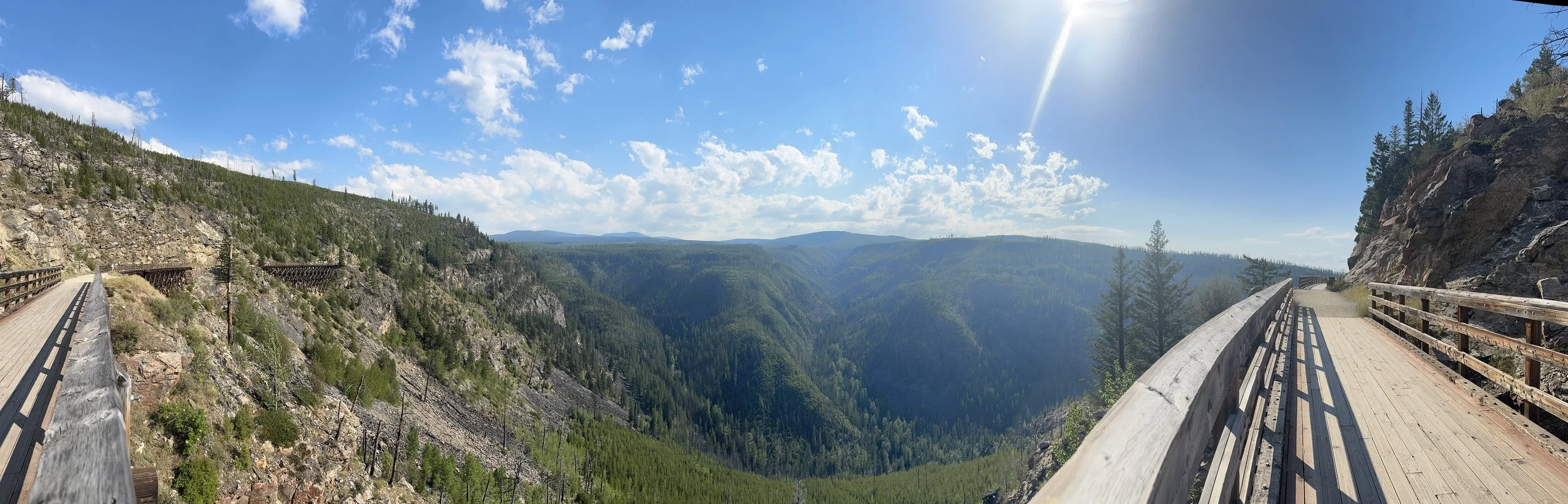
Few places capture the beauty of the Okanagan like the Myra Canyon Trestles.
Rent bikes or take a leisurely walk across the historic wooden trestle bridges while enjoying panoramic canyon views. The gentle grade makes it accessible for nearly everyone, and it's one of the region's most photographed attractions.
Afterward, head into Kelowna for craft beer and wood-fired pizza at Redbird Brewing before returning to the peaceful mountain setting of the Western Star Chalet.
Day 5: Wellness in the Okanagan
Take a slower pace today.
Spend the morning relaxing at the chalet before heading toward Predator Ridge.
Golf enthusiasts can enjoy one of British Columbia's premier golf resorts, while others may prefer the Grace & Flow Sunset Stretch & Sip experience—an outdoor yoga class followed by a glass of Okanagan wine as the sun sets over the valley.
On the way back, stop in Oyama for authentic Italian at Pane Vino, one of our favorite hidden gems in the Okanagan.
Day 6: Experience Kelowna Like a Local
Today is all about enjoying Kelowna at your own pace.
Walk along the waterfront, browse Bernard Avenue's boutiques, explore Pandosy Village, rent paddleboards or kayaks, spend an afternoon at the beach, or simply enjoy the relaxed atmosphere that makes Kelowna such a popular summer destination.
End the evening with dinner at Gather Restaurant before returning to the chalet for one last soak in the hot tub under the stars.
Day 7: One More Mountain Adventure
Before heading home, spend one final day enjoying everything that makes Big White special.
Take another hike, ride the chairlift, enjoy lunch in the village, or simply sit on the deck and soak in the mountain views. It's often these quiet moments—morning coffee overlooking the mountains, afternoon conversations on the deck, and evenings beneath a sky full of stars—that guests remember most.
Why Stay at the Western Star Chalet?
The Western Star Chalet offers the perfect home base for exploring the Okanagan. Located high above the valley, you'll enjoy cooler summer temperatures, spectacular panoramic mountain views, peaceful surroundings, and convenient access to Kelowna, West Kelowna's wineries, Myra Canyon, Predator Ridge, and Okanagan Lake.
Whether your ideal vacation includes hiking, wine tasting, paddleboarding, golf, wellness experiences, or simply relaxing in a hot tub with mountain views, you'll find it all within easy reach. And if you are looking for more reasons to visit, read our guide to summer at Big White.
We hope this itinerary inspires your own summer adventure. Of course, one of the best parts of staying at the Western Star Chalet is knowing that every day can be as active—or as relaxing—as you choose.
We look forward to welcoming you to Big White this summer!
Summer at Big White: The Ultimate Okanagan Mountain Escape
When travelers think about Big White Ski Resort, they often picture fresh powder, ski runs, and cozy winter vacations. But those who visit during the warmer months discover something equally special: one of the most beautiful summer destinations in British Columbia.
At the Western Star Chalet, summer offers a completely different mountain experience—one filled with panoramic views, alpine adventures, cooler temperatures, and easy access to everything the Okanagan Valley has to offer.
If you're looking for a summer vacation rental in Big White, here's why this mountain destination deserves a place on your travel list.
Incredible Mountain Views from the Western Star Chalet
One of the first things guests notice when they arrive at the Western Star Chalet is the view.
Perched high on the mountain, the chalet offers sweeping vistas of the surrounding peaks, forests, and valleys. Whether you're enjoying your morning coffee on the deck, relaxing in the hot tub after a day of hiking, or watching the sunset paint the mountains in shades of gold and pink, the scenery is unforgettable.
Unlike many Okanagan accommodations located in busy tourist areas, the Western Star Chalet provides a peaceful mountain setting where nature takes center stage.
The views alone are worth the trip.
Escape the Okanagan Summer Heat
While Kelowna and the Okanagan Valley can experience hot summer temperatures, Big White's elevation creates a naturally cooler and more comfortable environment.
Guests often enjoy:
Refreshing mountain air
Comfortable daytime temperatures
Cool evenings perfect for outdoor dining
Peaceful nights ideal for stargazing
It's the perfect destination for travelers who want to enjoy summer without the intense valley heat.
Hiking, Mountain Biking, and Outdoor Adventure
Big White transforms into an outdoor playground during the summer months.
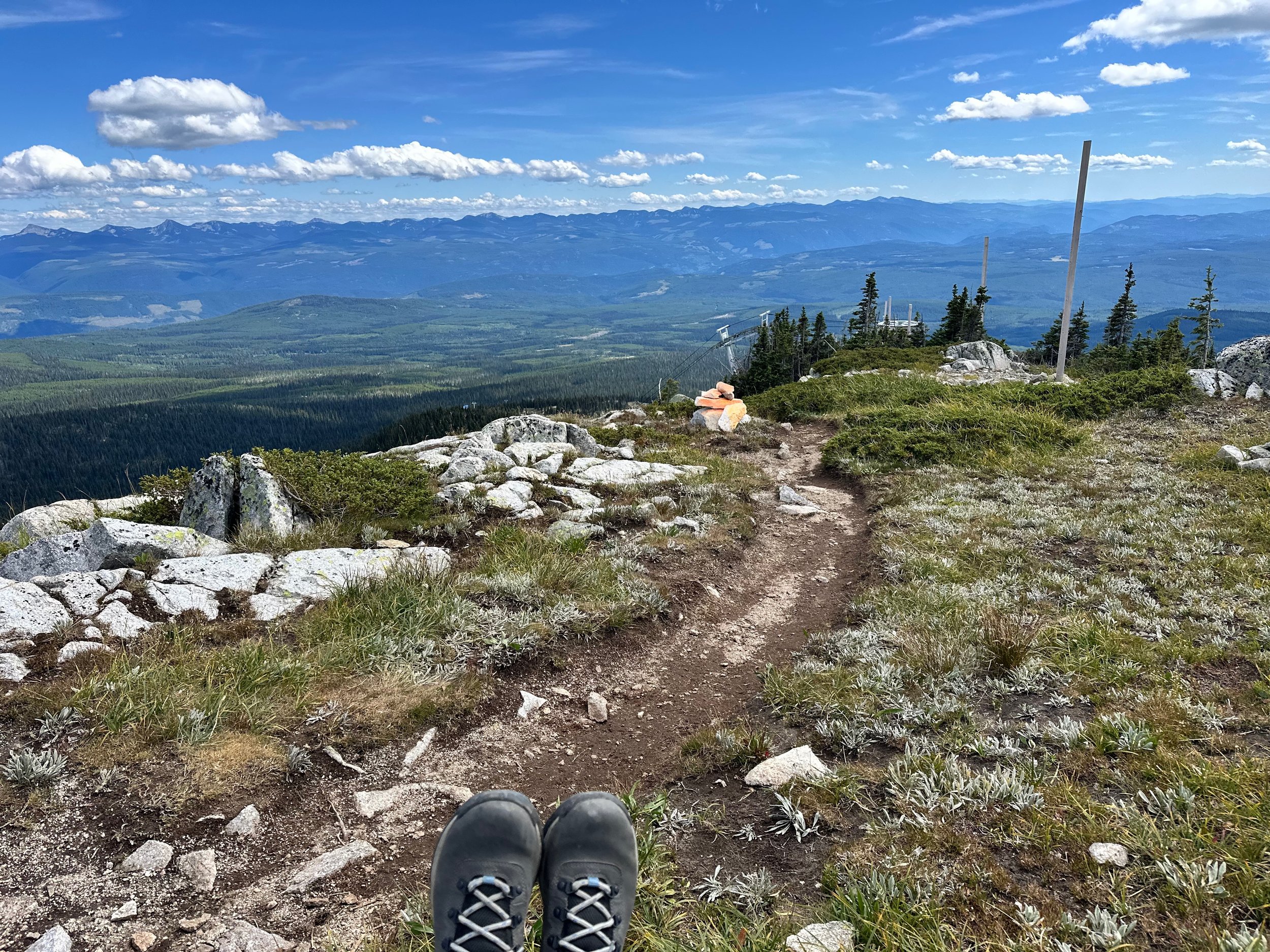
Visitors can explore an extensive network of hiking and mountain biking trails that wind through alpine meadows, evergreen forests, and breathtaking viewpoints.
Popular summer activities include:
Hiking Big White's scenic alpine trails
Lift-access mountain biking
Trail running
Wildlife viewing
Photography
Scenic chairlift rides
Family-friendly outdoor adventures
Many guests leave the chalet in the morning and spend the day immersed in nature before returning to enjoy the comfort of a private mountain retreat.
Explore the Best of the Okanagan
The Western Star Chalet offers the best of both worlds: a peaceful mountain getaway with easy access to the region's top attractions.
Within driving distance, guests can enjoy:
Okanagan wineries and wine tours
Okanagan Lake beaches
Golf courses
Farmers markets
Breweries and cideries
Shopping and dining in Kelowna
Spend the morning hiking above the clouds and the afternoon sampling award-winning wines—an experience unique to the Okanagan.
Family-Friendly Summer Vacations at Big White
Summer at Big White is ideal for families looking for a relaxed vacation destination.
Children can enjoy open spaces, wildlife sightings, hiking trails, and outdoor activities without the crowds often found at larger resort destinations.
Parents appreciate the combination of adventure, comfort, and the opportunity to disconnect from busy schedules and reconnect with family.
Unforgettable Nights Under the Stars
One of the most memorable aspects of staying at the Western Star Chalet is what happens after sunset.
As temperatures cool and the mountains grow quiet, guests can soak in the hot tub, gather with family and friends, or simply sit outside and enjoy the view.
With minimal light pollution, Big White offers remarkable stargazing opportunities. On clear nights, the sky fills with stars, creating a peaceful mountain experience that feels worlds away from everyday life.
Why Choose the Western Star Chalet?
The Western Star Chalet combines everything travelers are seeking in a Big White summer vacation rental:
Spectacular mountain views
Comfortable accommodations
Private hot tub
Access to hiking and biking trails
Cooler mountain temperatures
Convenient access to Kelowna and the Okanagan Valley
Peaceful alpine setting
Whether you're planning a family vacation, a romantic getaway, a mountain biking adventure, or a relaxing escape from city life, the Western Star Chalet provides the perfect base for experiencing summer in Big White.
Plan Your Summer Getaway Today
Summer in Big White remains one of British Columbia's hidden gems. With stunning mountain scenery, endless outdoor recreation, and the comfort of the Western Star Chalet waiting at the end of each day, there's no better place to experience the beauty of the Okanagan from above.
Book your stay and discover why so many guests fall in love with Big White in the summer.
Big White Itinerary: The Perfect 3–5 Day Ski Trip
If you’re planning a trip to Big White Ski Resort, one of the first questions is: How many days do we really need?
In our experience, the sweet spot is between three and five days. Big White’s true ski-in/ski-out village layout makes it easy to maximize your time on the mountain without feeling rushed.
Below is our simple guide to planning the perfect Big White ski trip.
3-Day Big White Ski Trip Itinerary
A long weekend at Big White works beautifully because everything is walkable and lift access is immediate.
Day 1: Arrival & Warm-Up
Arrive in Kelowna and transfer up the mountain
Settle into your ski-in/ski-out lodging
Pick up rentals (reserve in advance during peak season)
Take a few afternoon runs to get comfortable
Relaxed dinner in the village
Keep the first day light. The elevation and travel day can take some adjustment.
Day 2: Full Ski Day
Start early for freshly groomed runs
Explore intermediate terrain or tree skiing if conditions allow
Lunch break in the village
Optional night skiing (a highlight at Big White Ski Resort)
This is your main mountain day. With reliable snowfall and varied terrain, you can cover a lot comfortably.
Day 3: Morning Runs & Departure
Ski your favorite runs one last time
Midday hot tub or fireside break
Easy departure back to Kelowna
Because everything is centrally located, even departure day feels productive.
4-Day Big White Ski Trip Plan
Four days allow for a better balance between skiing and relaxation.
Day 1: Arrival & Orientation
Get organized and explore the pedestrian village so the rest of your trip flows smoothly.
Day 2: Ability-Focused Skiing
Beginners: Ski school or lessons
Intermediates: Explore varied terrain zones
Advanced skiers: Seek out glades and steeper sections
Meeting back in the village is easy thanks to Big White’s compact layout.
Day 3: Adventure Day
Choose your pace:
Tree skiing after fresh snowfall
Long scenic groomer runs
Snowshoeing, tubing, or ice skating
Day 4: Relaxed Final Morning
Enjoy breakfast, ski a few favorite runs, and depart without feeling rushed.
5-Day Big White Ski Vacation Guide
Five days is ideal if you want to fully settle into mountain life.
Day 1: Arrival
Day 2: Explore the Mountain
Ski across multiple zones to understand the terrain.
Day 3: Focus Day
Pick your priority:
Improving technique
Skiing glades
Scenic cruising
Photography and views
Day 4: Rest + Ski Balance
Sleep in. Ski mid-morning. Enjoy long lunches. Soak in the alpine atmosphere.
Day 5: Favorite Runs & Departure
Revisit the runs you loved most before heading home.
Why Big White Is Perfect for a 3–5 Day Ski Trip
Not every ski resort works well for short stays. Big White stands out because of:
True ski-in/ski-out accommodations
A pedestrian-friendly alpine village
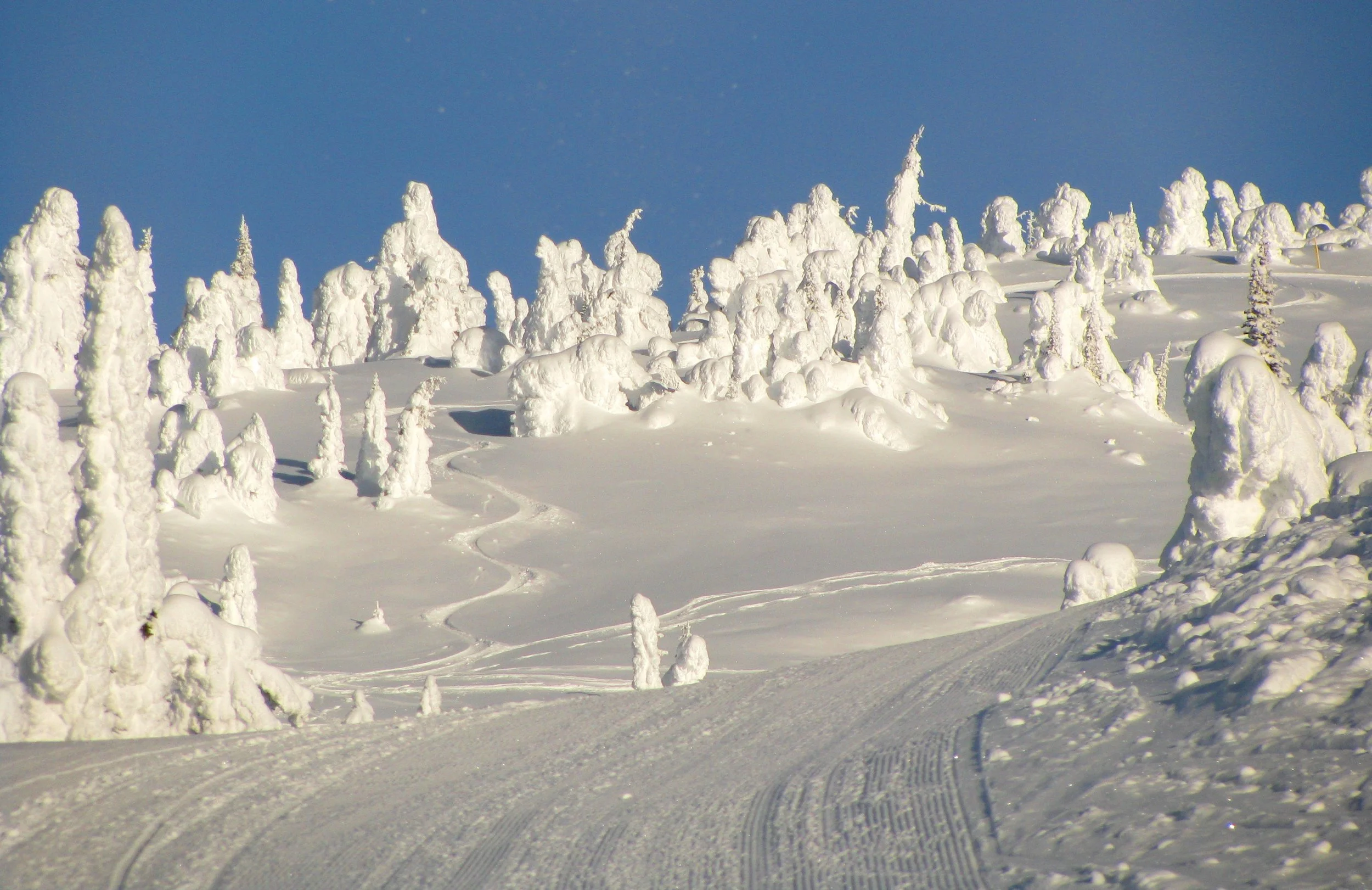
Reliable snowfall throughout the season
Terrain for all ability levels
You spend less time commuting and more time skiing.
Planning Tips for Your Big White Trip
Book rentals early during peak season
Reserve airport transfers in advance
Pack layers for changing mountain temperatures
Build in downtime to enjoy the slower mountain pace
Frequently Asked Questions About Planning a Big White Trip
How many days do you need at Big White Ski Resort?
Most visitors find 3–5 days ideal. Three days works for a long weekend, while five days allows for a relaxed, full experience.
Is Big White good for beginners?
Yes. Big White Ski Resort offers wide beginner runs, strong ski school programs, and terrain for all levels.
Do you need a car at Big White?
No. The village is fully pedestrian and ski-in/ski-out, making a car unnecessary once you arrive.
Whether you’re planning a quick weekend or a full ski vacation, Big White makes it easy to slow down, ski more, and enjoy your time on the mountain.
What Makes Big White Different from Other Ski Resorts
After visiting and spending time at Big White Ski Resort, we realized it offers something that many ski resorts promise but rarely deliver: an experience that feels intentional, easy, and genuinely enjoyable. We’ve been to other North American ski destinations, and what sets Big White apart is not one standout feature, but how everything works together.
A True Ski-In/Ski-Out Village
One of the first things that stood out to us was how genuinely ski-in/ski-out Big White is. This is not a resort where you still need a car, a shuttle, or a long walk in ski boots. The village is fully pedestrian, and nearly everything—lifts, ski school, restaurants, and après-ski—is within immediate reach.
Once we arrive, we don’t think about logistics. We ski when we want, come back easily, and step back out without having to plan our day around transportation. That simplicity makes a noticeable difference, especially for families and groups.
Consistent Snow You Can Count On
Big White has a reputation for reliable snowfall, and in our experience, it is well earned. The mountain’s elevation and location produce consistent coverage throughout the season, and the snow quality holds remarkably well.
What we appreciate most is the predictability. When we plan a trip, we’re not gambling on conditions. Tree runs keep their snow longer, and the season feels dependable rather than hit-or-miss.
Terrain That Works for Everyone
What surprised us most is how well Big White works for mixed-ability groups. We’ve skied at resorts where beginners struggle, or advanced skiers get bored. Big White manages to serve both.
Beginners have wide, forgiving runs and excellent instruction. Intermediate skiers have plenty of terrain to explore without crowding. Advanced skiers can find glades, steeps, and off-piste areas that stay enjoyable even during busy periods.
When skiing with friends or family, no one feels out of place.
A Purpose-Built Village That Feels Like a Community
Big White doesn’t feel retrofitted or overbuilt. It feels planned. The village was designed for mountain life, and that shows in the walkability, layout, and overall atmosphere.
What we value most is the place's tone. It’s lively, but not chaotic. Social, but not overwhelming. It feels like a community rather than a commercial resort, and that makes it easier to relax and settle in.
Better Value Than Many U.S. Ski Resorts
Having skied at several U.S. destination resorts, we’ve found that Big White consistently delivers strong value. Lift tickets, accommodations, and dining tend to be more accessible, especially for longer stays.
We never feel like we’re paying extra just to be there. Instead, the focus stays on the skiing, the village, and the overall experience.
A Slower, More Enjoyable Pace
The biggest difference for us is the pace. Big White encourages you to slow down. Days naturally balance skiing, breaks by the fire, good meals, and quiet evenings.
There’s less pressure to rush or optimize every hour. Instead, the experience feels restorative—exactly what a mountain getaway should be.
Why Big White Stands Out
For us, Big White stands apart because it prioritizes the right things:
Thoughtful ski-in/ski-out village design
Reliable snow and long seasons
Terrain that works for all skill levels
A calm, community-focused atmosphere
Big White isn’t trying to compete on flash or hype. It succeeds by making mountain life easy, enjoyable, and worth returning to.
If you’re looking for a ski destination that feels less transactional and more intentional, Big White is different in the ways that matter most.

Dining in Big White: Our Favorite Restaurants
One of the pleasures of staying at Big White Ski Resort is enjoying great food within walking distance from the Western Star Chalet. Whether you’re fueling up for a day on the mountain or settling in for a relaxed evening, these are the restaurants we most often recommend—each offering something distinct, yet all reliably excellent.
Keep in mind that dining options at Big White vary by season. Winter brings the most energy and extended hours, while summer offers a quieter, more relaxed Village experience with some reduced hours. During peak winter weekends and holidays, we recommend dining a bit earlier or checking availability in advance.
Toasty
Toasty is a beloved Village café and an easy favorite for mornings and casual breaks during the day. Known for excellent coffee, pastries, smoothies, and toasted sandwiches, it’s the kind of place you’ll likely visit more than once during your stay. Cozy, efficient, and consistently good, it’s perfect for starting the day or grabbing something light between activities.
Best for: coffee, breakfast, and quick lunches.
The Fat Marmot
The Fat Marmot offers one of the most creative and elevated dining experiences at Big White. The menu is globally inspired and thoughtfully prepared, paired with a strong cocktail and wine program. The atmosphere is social and energetic without feeling rushed—ideal for guests who enjoy a lively but refined evening out.
Best for: dinner, cocktails, and a vibrant night in the Village.
Kettle Valley Steakhouse
Kettle Valley Steakhouse is the go-to choice for a classic, upscale mountain dinner. Known for high-quality steaks, seafood, and an extensive wine list, it’s a great option for celebrations or special evenings. The setting feels timeless and traditional, offering a more formal dining experience than most Village restaurants.
Best for: special occasions and steakhouse dining.
6° Bistro
6° Bistro (Six Degrees Bistro) provides a relaxed yet polished dining option with a menu that blends comfort and creativity. It’s well-suited for guests looking for a quieter atmosphere without sacrificing quality or presentation. Go for the fondue experience or a slower-paced dinner after a full day outdoors.
Best for: relaxed dinners and a calmer evening setting.
The Woods
The Woods is a Big White staple and a reliable favorite for many visitors. With its warm chalet-style interior and welcoming energy, it works equally well for lunch, après-ski, or dinner. The menu is approachable and varied, making it an easy choice for groups with different tastes.
Best for: après-ski, group meals, and classic Big White ambiance.
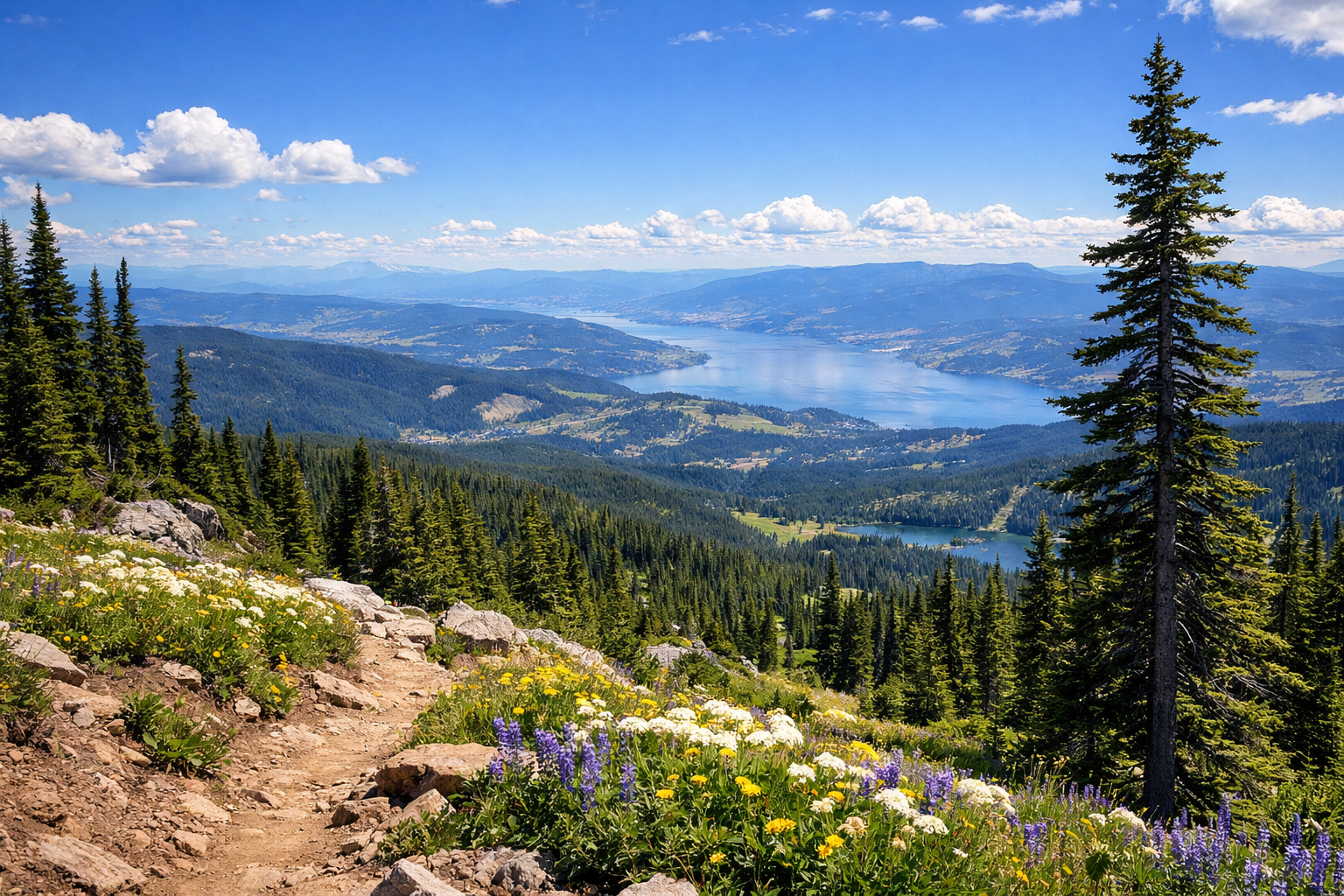
Why we bought a house in Big White Mountain, British Columbia
Buying a ski chalet was not an impulsive decision. It was the result of years of travel, reflection, and a clear-eyed assessment of what we value—personally and financially. In the end, Big White Ski Resort stood out for reasons that go far beyond fresh powder.
A Place That Prioritizes Winter—Properly
Big White is unapologetically a winter-first mountain. The resort is known for consistent snowfall, dependable conditions, and infrastructure designed for ski-in/ski-out living. For us, that mattered. If you are going to invest in a mountain property, it should deliver on the very thing that makes it special. Big White does—reliably and year after year.
Mountain Air and Manageable Summers
As Texans, summer was a decisive factor in our decision. When triple-digit temperatures become routine, the appeal of a true mountain climate is not abstract—it is practical. Big White offers exactly that, while opening the door to everything the surrounding region provides.
At elevation, Big White delivers cool mornings, temperate afternoons, and crisp evenings throughout the summer months. It is the kind of climate that invites movement rather than retreat. Hiking, mountain biking, trail walking, and simply sitting outside with a view are comfortable again. For those accustomed to structuring summer days around air conditioning, that alone is transformative.
Direct Access to the Okanagan Valley
Big White’s location puts it within easy reach of one of Canada’s most celebrated summer regions. The Okanagan Valley is known for its lakes, vineyards, orchards, and outdoor recreation. Days can be spent paddleboarding or swimming in nearby lakes, exploring wineries, or enjoying farm-to-table dining—all without sacrificing the mountain’s quiet refuge in the evenings.
Community Over Hype
Unlike some high-profile resort towns that feel over-commercialized or transient, Big White maintains a genuine sense of community. Families return season after season. Neighbors know one another. The village is lively without being chaotic, active without feeling crowded. That balance is increasingly rare in destination resorts.
Practicality Meets Beauty
The chalet itself is not just a retreat; it is a functional, four-season asset. Heated garages, gear storage, boot dryers, and thoughtful layouts are standard—not luxuries. At the same time, the setting delivers extraordinary alpine views, quiet mornings after overnight snowfall, and the kind of stillness that only mountain environments offer. Beauty, here, is paired with usability.
A Strategic Investment
From an investment perspective, Big White makes sense. Canadian resort real estate—particularly in British Columbia—has shown long-term resilience. Big White’s growing reputation, combined with limited slope-side inventory and strong seasonal rental demand, positions a chalet as both a lifestyle purchase and a prudent financial decision. It is a place people want to return to, which matters if you plan to share it with others.
A Different Pace of Life
Perhaps most importantly, Big White offers something increasingly hard to find: enforced slowness. When the snow is falling, and the mountain sets the rhythm of the day, priorities shift. Mornings begin later. Evenings center on warmth, conversation, and recovery for the next day’s skiing, hiking, or biking. The chalet represents a deliberate choice to carve out space—literally and figuratively—for that kind of life.
Why Big White, Ultimately
We did not buy a ski chalet to chase trends or status. We bought it because Big White aligns with how we want to spend time, host others, and invest for the long term. It is a place built for four seasons, grounded in community, and designed for people who value substance over spectacle.
In short, we bought a ski chalet in Big White because it delivers on its promise—quietly, consistently, and exceptionally well.